Here is how to give crypto to someone who doesn't have a wallet: put a small amount of tokens behind a private claim link, and let them set up a wallet only if they decide to claim it. The other route is to sit beside them while they create their own wallet, then send a small amount directly. Both work. What makes either one kind is a modest amount, a clear explanation and a personal note around it.
Below are both routes in plain language, the one rule every new holder has to learn (never share a seed phrase), and some words for the card so the gift feels like care rather than homework.
First, ask whether crypto is the right gift for them
Think about the person before you think about the token.
- Are they curious? If they've asked you about crypto, a small gift is a gentle, hands-on way in.
- Are they cautious with apps? If installing something new stresses them out, a heartfelt card on its own may be the better present. Crypto can come later, or never.
- Where do they live? Crypto is restricted in some places. In mainland China, for example, the central bank has declared crypto-related business activities illegal. Everyone must follow their local laws, and you should not send a token gift to someone where it would put them at risk.
- How would they feel if the value dropped? Token prices move. A gift should never feel like a debt or a bet.
If the answers point to "yes, gently", read on.
Option 1: A claim link, for someone who doesn't have a wallet yet
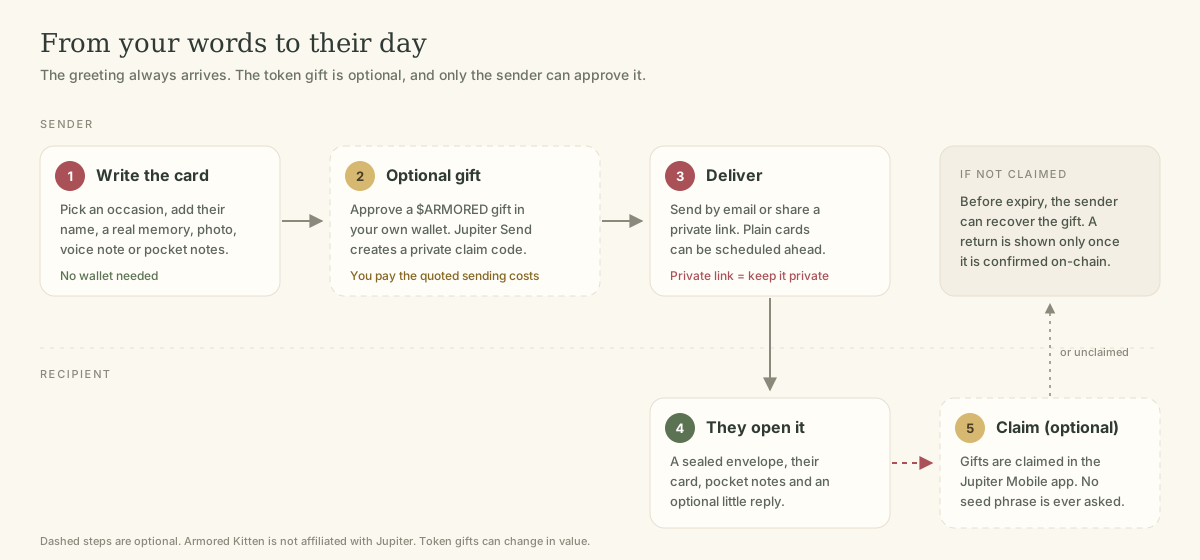
A claim link lets you prepare the gift now and lets them decide later. On Solana, Jupiter Send works this way. According to Jupiter's own guide, the sender connects a wallet, picks a token and an amount, and creates a link or QR code. A recipient without a wallet is prompted to download the Jupiter Mobile app and guided through claiming. The same guide says unclaimed tokens return to the sender after 7 days, and that the sender can revoke the link before it is claimed.
Why this suits beginners:
- There is nothing for them to set up before you send.
- They open the link when they feel ready, within the claim window.
- If they never claim it, the gift is designed to come back to you.
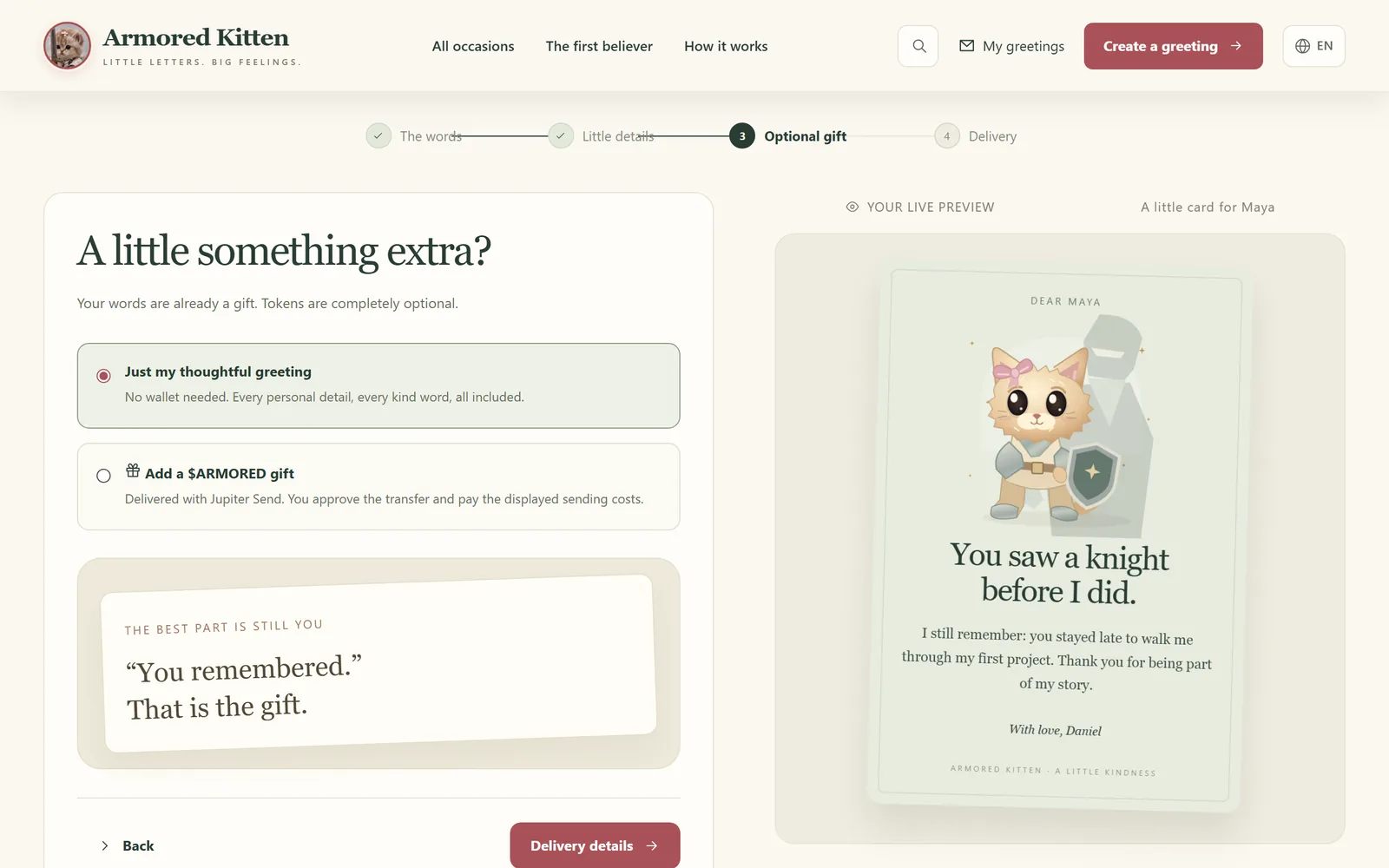
Armored Kitten is not affiliated with Jupiter. Where the feature is enabled, you can attach an optional $ARMORED token gift to a card using Jupiter Send. You approve it in your own wallet and pay the displayed sending costs, and your friend claims it in the Jupiter Mobile app. For the full walkthrough, read Jupiter Send, explained.
Option 2: Help them set up their own wallet, safely
Some people would rather learn with a friend beside them. If you take this route, be the patient guide and never the keeper of their keys.
Setting up a first wallet together
- Let them choose and install the app themselves.
Download only from the official app store listing or the wallet's official website. Skip any link from an ad or a message.
- Hand them the phone, not the other way round.
They should tap through the setup so the wallet is truly theirs.
- Let them write down the recovery phrase in private.
Turn away while they do it. You should never see, photograph or store it.
- Store the phrase offline.
Paper kept somewhere safe at home works well. A screenshot, a notes app or a cloud document is risky.
- Do a tiny test.
Ask them to share their receiving address, then send a very small amount first. Check the first and last few characters of the address together.
- Send the gift.
Once the test arrives, send the rest of the amount.
- Show them how to look, not how to trade.
Point out where their balance appears. There's no need to explain charts or tempt them into buying more.
For Solana-specific checks, such as making sure you are sending the real token and not a look-alike, see our guide on how to gift Solana tokens.
Seed phrase basics, in plain words
A seed phrase (also called a recovery phrase or secret recovery phrase) is a list of words that can rebuild the wallet on any device. Whoever has the words controls the wallet. That is the whole lesson, and it's worth saying out loud to any beginner.
Teach these rules gently:
- Never type it into a website or a chat. Phantom's help centre is blunt about it: if you entered your recovery phrase into any website or app, or shared it with anyone, the wallet is permanently compromised.
- Real support teams never ask for it. Phantom says its support will never ask for your recovery phrase. Any "helper" who asks is a scammer.
- Mistakes can't be undone. The US Federal Trade Commission explains that once you pay with crypto, you can usually only get your money back if the person you paid sends it back.
- The rule includes you. Even as the person giving the gift, you should never ask for or keep a copy of their phrase.
Why starting small is the kind choice
A first crypto gift is really a gift of experience. A small amount lets someone learn how a wallet works, watch a transaction arrive and get used to looking after their own keys, without holding something they'd hate to lose.
Small also protects the friendship. Tokens can lose value, some are hard to sell, and fees and rules can change. If the value falls, a modest gesture is easy to laugh about. A large one can leave you both feeling awkward.
A few good habits:
- Give an amount you'd happily spend on a simple treat.
- Say plainly that it's a gift, not a tip or a prediction.
- Never suggest it will grow, bring luck or "pay off".
- Let them decide what to do with it, including nothing at all.
Still unsure whether a token gift is a good idea? Our guide is gifting crypto safe? covers the risks in more detail. If you'd rather skip tokens entirely, we compare simpler options in crypto gift card alternatives.
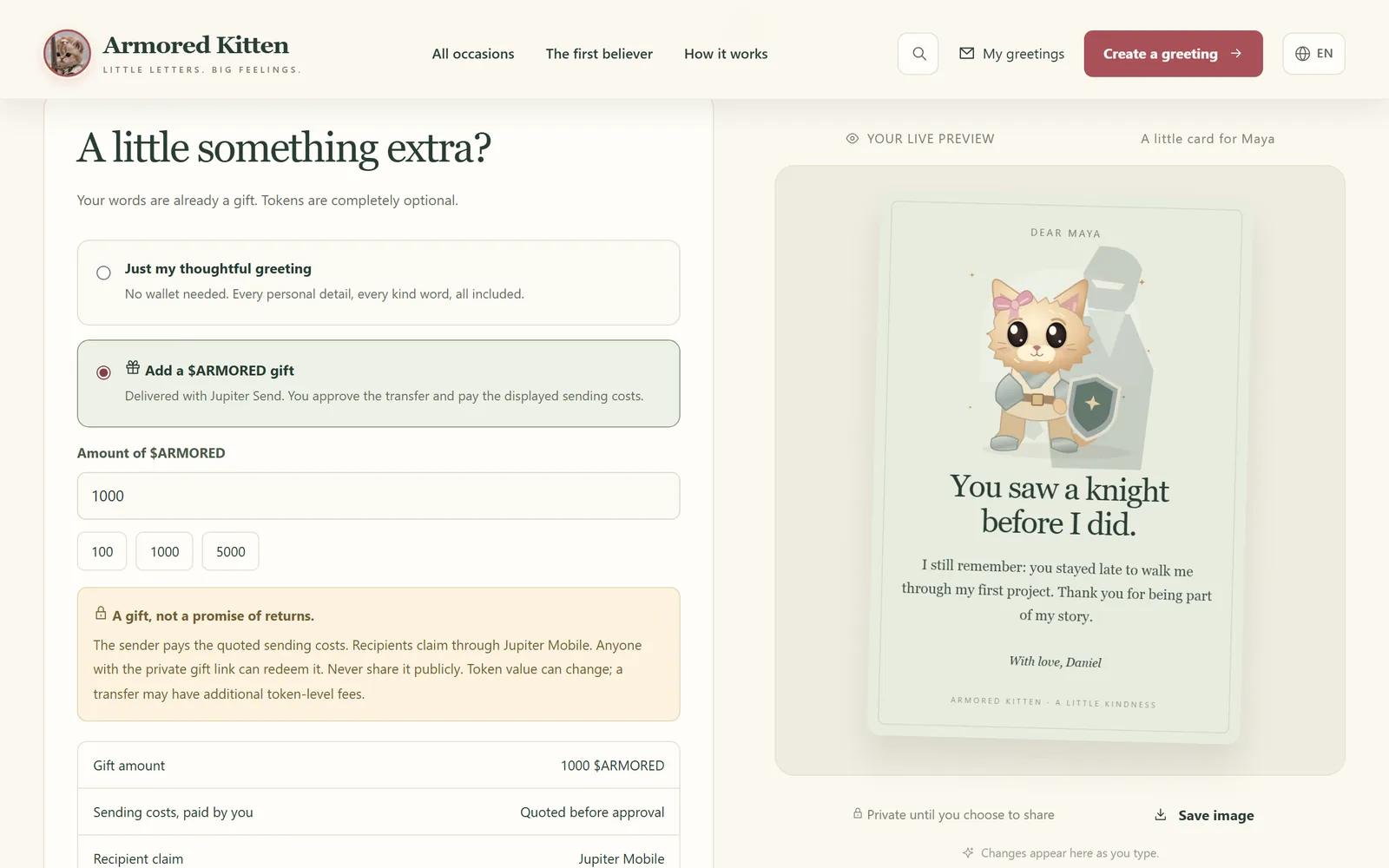
What to write in the card
For a beginner, the message has two jobs. It makes the gift personal, and it takes the pressure off. Keep it warm, short and practical.
Sample messages you can adapt:
- "No pressure with this one. It's a tiny gift so you can see how it works. If you'd rather ignore it, honestly, that's fine."
- "You asked me about crypto last month, so here's a small one to play with. The link is private, so please don't share it with anyone."
- "This is for fun and learning, not an investment tip. Values go up and down. The friendship doesn't."
- "If you want help claiming it, call me and we'll do it together. I'll never need your secret words, so don't share them with anyone, me included."
- "Happy birthday! A small digital gift inside, and a proper hug when I see you."
- "You've been so patient with all my tech questions. Now it's my turn to be patient with yours."
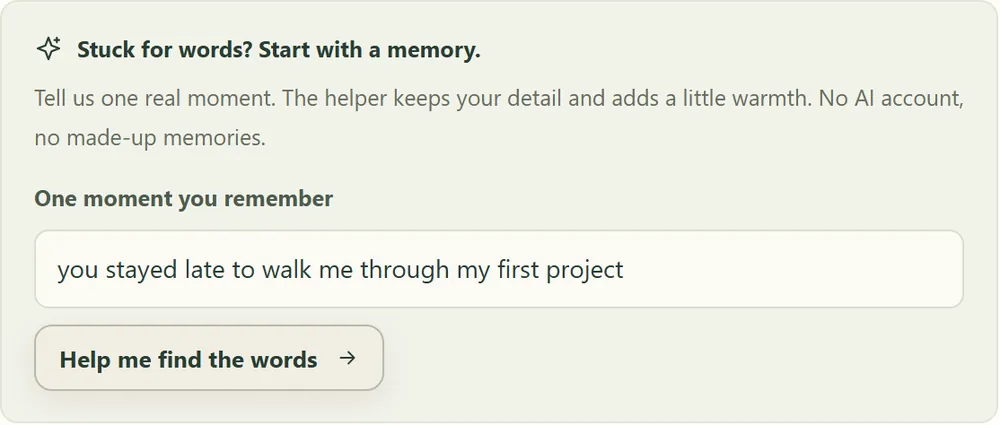
Then add something only the two of you would understand. An inside joke or a short memory will mean more than the token ever could. You can write the whole message in any language, which helps if your friend reads more comfortably in their first language.
Common mistakes to avoid
- Setting up the wallet for them. If you created it, you've had access to the phrase. Let them do it.
- Posting the claim link in a group chat. Anyone in the group could claim it.
- Sending a large first gift. Start with a gesture, not a portfolio.
- Promising anything about value. Avoid words like "moon", "lucky" or "guaranteed".
- Ignoring local rules. Check that holding and receiving tokens is allowed where they live. For tax questions, ask a qualified local adviser.
- Forgetting to follow up. A claim window can pass quietly. A friendly reminder helps.
Frequently asked questions
Can I give crypto to someone who has never used it before?
Yes. A claim-link gift lets them receive it without having a wallet first. They set one up only when they claim. Pair it with a calm note that explains what to do and says there's no rush.
What happens if my friend never claims the gift?
According to Jupiter's guide, tokens sent with Jupiter Send that are not claimed within 7 days are returned to the sender, and you can revoke an unclaimed link before then. Check your wallet afterwards to confirm the tokens are back.
Should I keep a copy of their seed phrase in case they lose it?
No. Whoever holds the phrase controls the wallet. Encourage them to store it offline somewhere safe, and never ask to see it.
Is it safe to send the claim link by email?
Send it only to the right person, one to one, and never post it publicly. Anyone holding the link can claim the tokens, so double-check the address before you send.
Do I need a wallet to send a card?
No. You can make and send a card without any wallet. A wallet is only needed if you choose to attach the optional token gift, where it is enabled.
Is a crypto gift taxable?
It depends on where you and the recipient live. Tax rules on gifts and digital assets vary by country, so check local guidance or ask a qualified professional.
A gentle closing
Giving crypto to a beginner has less to do with the token than with trust. Start small, explain the seed phrase rule, keep the link private and let the words in your card carry the meaning. When you're ready, write a card for a friend and decide afterwards whether to add anything at all.
Please note: this guide is general information, not financial, legal or tax advice. Crypto tokens can lose value, can be hard to sell, and transfers usually cannot be reversed. Only give what you are comfortable giving, follow the laws where you and the recipient live, and never share a seed phrase with anyone. Armored Kitten will never ask for yours.
Armored Kitten is an independent greeting studio and is not affiliated with or endorsed by Jupiter. Token gifts are optional, can change in value, and are not investment advice. Check the rules that apply where you live.