Wellbeing news with a takeaway
Every day, three to six recent stories about movement, food, sleep, the mind, running and good news. Each one in plain words: the problem, what was found, one lesson, one small thing to try, and how sure we can be.
What each edition covers
- Fitness. Strength, cardio, walking and sports research. Plan a workout that fits your week →
- Eat. Food studies, told without diets or weight-loss promises. Plan simple meals for the week →
- Sleep. Rest and recovery. Build a calmer evening routine →
- Mind. Stress, mood and how we think, with no diagnosis language. Notice how you are doing →
- Run. Running stories and research. Start a walking or running routine →
- Good news. One hopeful story from a good-news outlet, always last. Read an uplifting story →
All editions
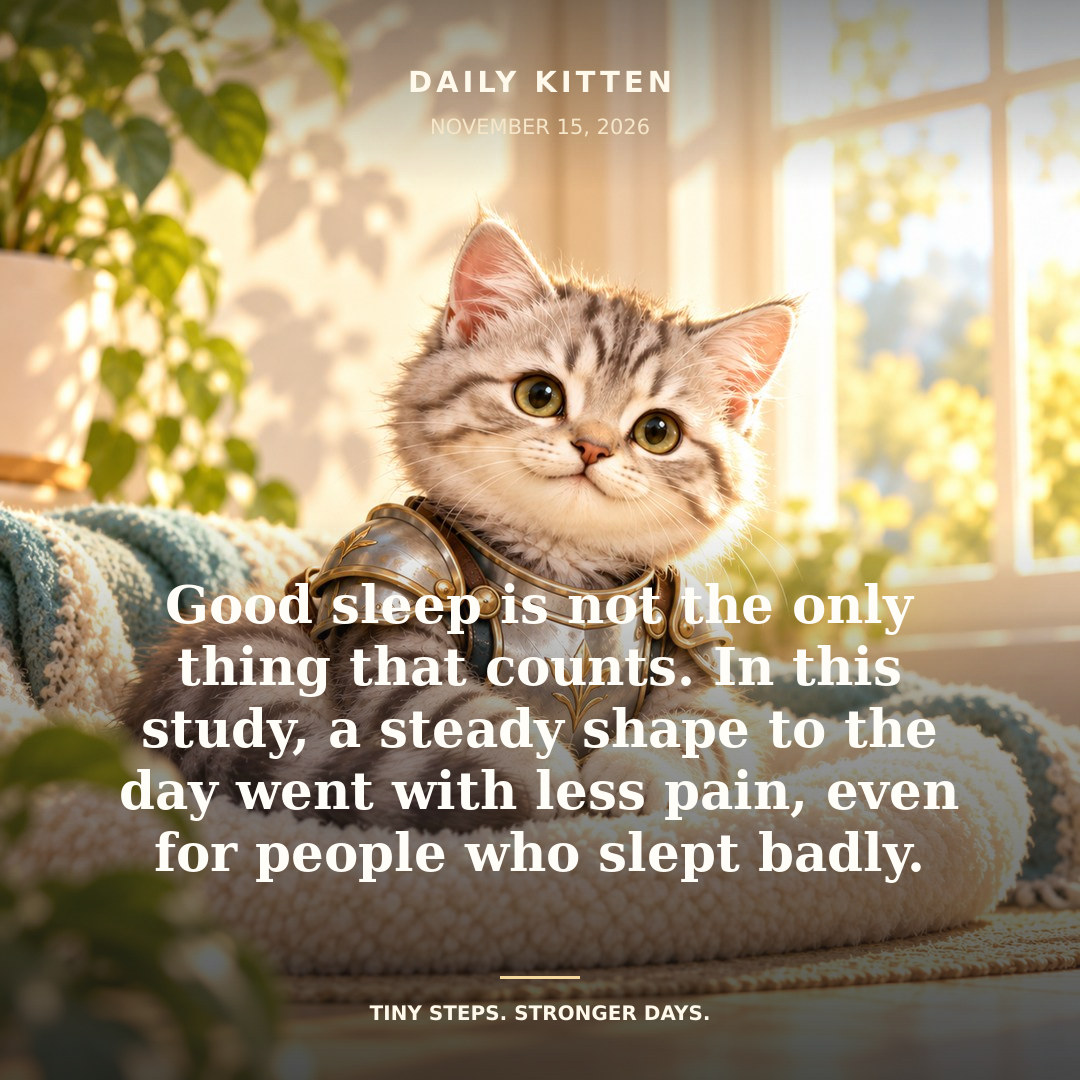 Sunday 15 November 2026Regular daily routines linked to less pain in older adultsToday: a steady daily schedule linked to less pain, a knee exercise trial after surgery, and why anti-ageing claims need care.Read edition →
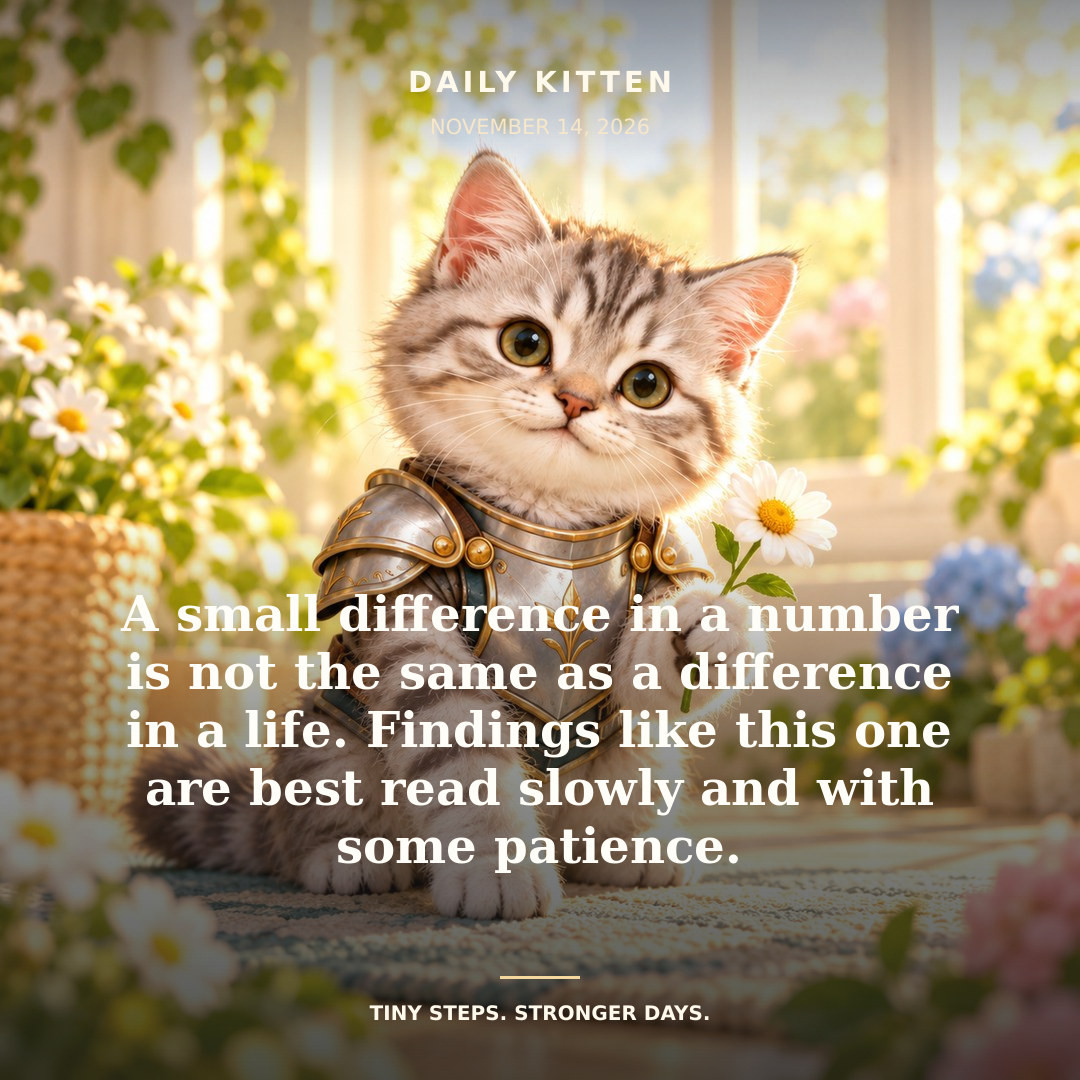 Saturday 14 November 2026Lactate drinks for runners have mixed results so farThree stories today: a sports science editor on an endurance drink for runners, plus findings on protein and recovery from infection.Read edition →
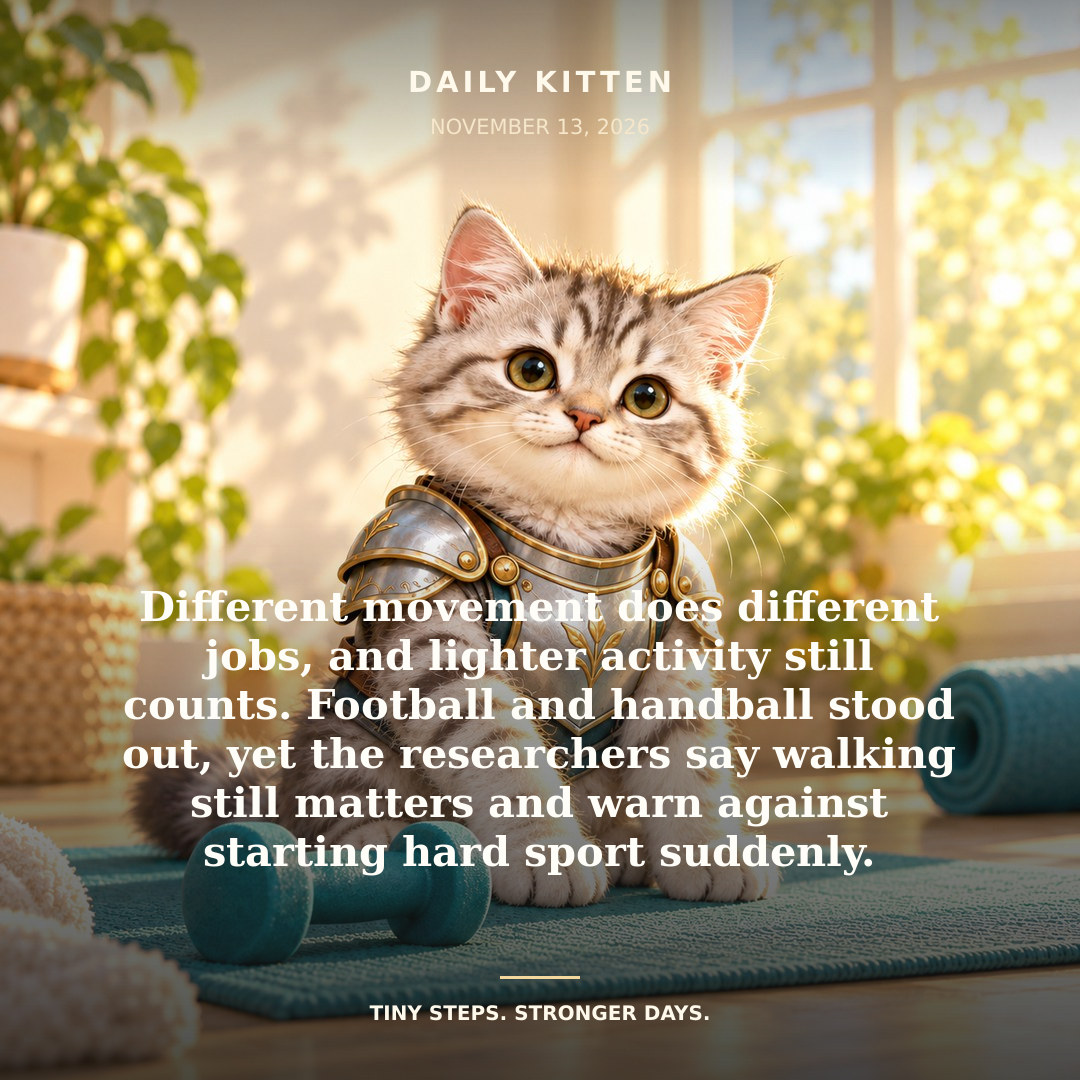 Friday 13 November 2026Fast, stop-start sports raised blood signs of bone buildingToday: which sports raised blood signs of bone building, clues to leftover heart risk, and why a couple's private jokes may matter.Read edition →
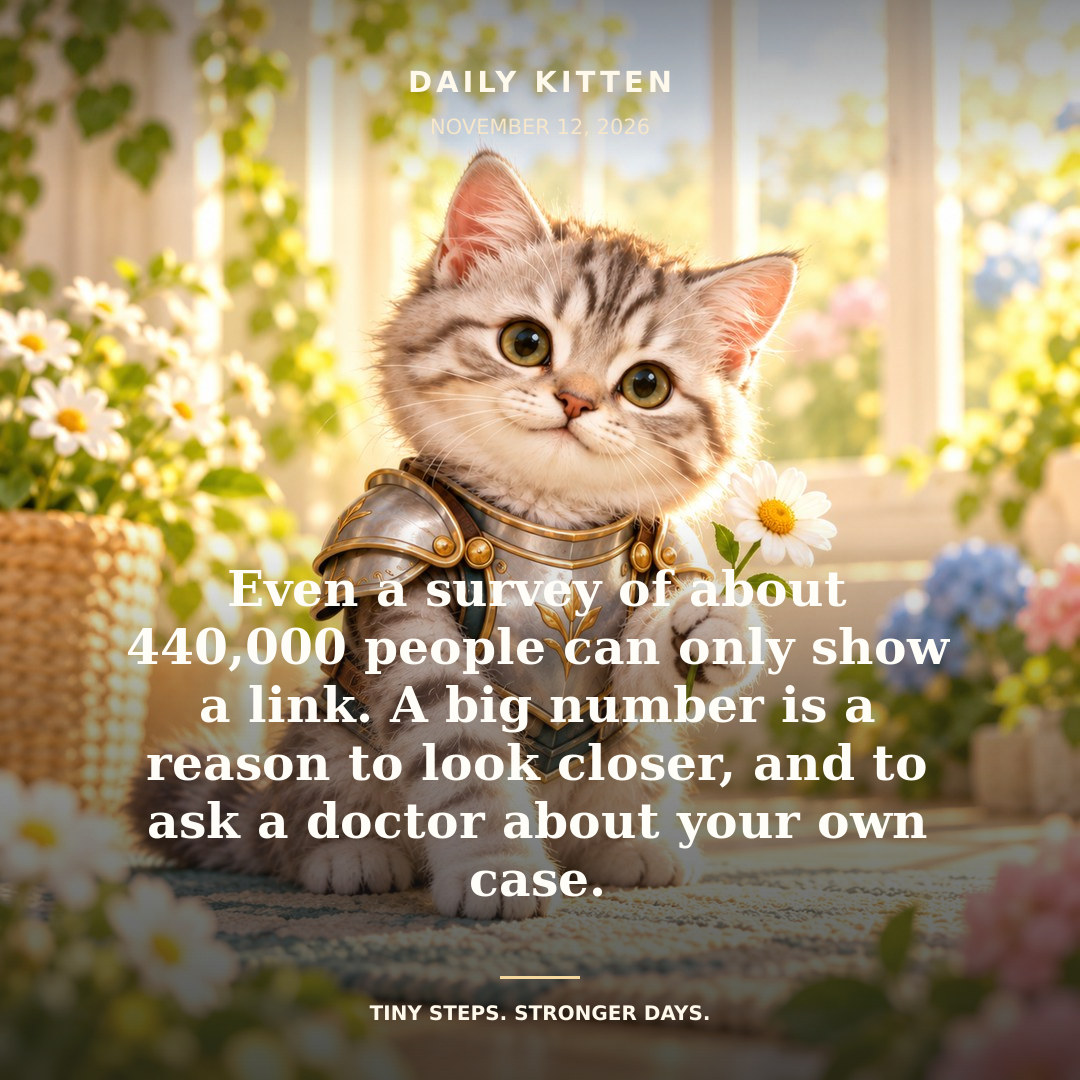 Thursday 12 November 2026A psychologist's five habits may ease short spells of bad sleepA big survey on cannabis and stroke, a psychologist's habits for bad sleep, and a 75-year-old who finished a marathon just in time.Read edition →
 Wednesday 11 November 2026A doctor says open questions work better than pushing peopleThree stories today: a mouse study on fibre and gut bacteria, a doctor on asking not telling, and an actor with Alzheimer's back on stage.Read edition →
 Tuesday 10 November 2026In a trial, exercise lowered a muscle protein tied to diabetesToday: how exercise changed a muscle protein, a bone drug linked to less dementia, a question for stuck plans, and a fairer way to rank runners.Read edition →
 Monday 9 November 2026About 6 in 10 New York Marathon finishers slowed down sharplyWhat sleep problems may mean for the brain, why past you can feel far away, and how often marathon runners slow down: three short reads.Read edition →
 Sunday 8 November 2026Coffee drinkers had less dementia, but it is only a linkA long study on coffee and memory, a simple way to test your fears about change, and runners who stopped to help others.Read edition →
 Saturday 7 November 2026Full-fat dairy did not harm weight or cholesterol in a 12-week trialToday: a food trial, a calmer way to handle comparing, a runner's lesson on gut changes, and a country's good news for mothers and babies.Read edition →
 Friday 6 November 2026A planned day off may help you recover from work stressToday: a psychiatrist on planned rest before burnout, a 21-year-old's marathon podium, and butterfly wings that may lead to safer paint.Read edition →
 Thursday 5 November 2026Kids who ate more processed food had stronger brain reward responsesToday: a small study on children's eating and the brain, a muscle lab clue, a look at happiness and manhood beliefs, and a chocolate good-news tale.Read edition →
 Wednesday 4 November 2026Avocado and mango helped blood vessels in one eight-week trialA food trial, an expert view on salt and potassium, a marathon won by patient pacing and a village built on shared meals.Read edition →
 Tuesday 3 November 2026Medical cannabis for sleep lacks proof, and small steps ease choicesToday: weak evidence on medical cannabis for sleep, why we put off decisions, and free boxing classes for women after abuse.Read edition →
 Monday 2 November 2026Regular tea drinking linked to fewer heart and blood vessel problemsA big tea study, a small peanut trial, a kinder way to support a friend and a marathon comeback built on patience.Read edition →
 Sunday 1 November 2026Running helps the heart, but it does not make you immuneFour stories today: how the eye's sharpest spot may form, naming feelings, back pain in the brain, and what running can and cannot do.Read edition →
 Friday 30 October 2026High sweetener use linked to faster memory decline in BrazilToday: a large study on sweeteners and memory, a cranberry juice test, two ideas for the mind, and lions living beside farmers.Read edition →
 Thursday 29 October 2026Older adults were happier around other people than aloneA study linking company to better mood in older adults, a mouse finding on muscle, and two views on feelings and new jobs.Read edition →
 Wednesday 28 October 2026Wall squats once a week kept some of the blood pressure dropA quick home exercise for blood pressure, a mouse liver study, a father's calm in rehab, a breakup tip and a runner's comeback.Read edition →
 Tuesday 27 October 2026Go slow with strength training, a sports doctor advisesFive stories on starting strength work gently, exercise and the heart in rats, sleep for night owls, life between chapters and a record runner.Read edition →
 Monday 26 October 2026Even light drinking carries some risk, a big review findsFive stories on alcohol, sleep supplements, Sunday worry, fair views of psychosis and a writer who turns hard times into words.Read edition →
 Sunday 25 October 2026Teen bullying linked to a harsher self-view, and Korir's sub-two hopeFive stories: a cell protein that shapes fat, teens and bullying, better conversations, and a marathon champion's patient plan for Valencia.Read edition →Saturday 24 October 2026Food type mattered in 461,682 adults, and coping skills aided therapyFive stories: a long food study on bowel cancer, coping skills in therapy, autism and choice, sharing the load at home, and a Ghana cocoa farmer.Read edition →Friday 23 October 2026No memory gain from fish oil; slower Parkinson's in active peopleFive stories, from a fish oil trial and activity in Parkinson's to coffee creamer, AI companions and seabird-fed reefs, each with a takeaway.Read edition →
How a Daily Kitten is made
Each edition starts from recent stories in a fixed list of science, fitness, running and good-news feeds. An AI model (Claude) reads the source pages and drafts the edition in plain words. A separate editing pass then checks every number, name and finding against the text of those pages. If a fact is not in the source, it does not go in.
What we leave out
- Doses, supplements, medicines and diets for a condition. A story about a drug can run as news, but its lesson is about judgement, not treatment.
- Weight-loss promises and body shaming.
- Stories about suicide, self-harm or eating disorders.
- Single studies called a breakthrough, a cure or proof.
- Product reviews, sponsored posts, celebrity news and stories already covered in the last 30 days.
What the badges mean
- Trial
- A controlled trial in people. The strongest single kind of study we report.
- Review
- A review that pools many studies.
- Study in people
- An observational study. It can show a link, not a cause, so we write “linked to”, never “causes”.
- Early research
- Animals, cells or lab models. We say so in the first sentence and never present it as advice for people.
- Expert view
- An opinion or advice piece from a named expert.
- Story
- A personal, community or sport story. Reported as a story, not as evidence.
Sources and corrections
Every edition lists the pages we read. Many science items are university press releases republished by ScienceDaily; we name the institution and link the page we actually read. When we get something wrong, we fix it and add a dated correction note under the health note. We never quietly change a number.
Keep exploring
 INSPIRATIONAL STORIESStories of trying againReal setbacks and practical lessons.Explore →
 FEATURESFind what fits todayGuides, tools and thoughtful ways to connect.Explore →
 COMPANION BOTChoose a small next stepSee how the companion helps you begin.Explore →
 SEND A GREETINGSend a greeting to someone you loveChoose a card and make it personal.Explore →